Claude Approve
Answer Claude Code prompts from the bar - permissions, plan approval and multiple-choice questions - with the wheel and START button.
By maxswinkels · ▲ 0 · Rate and Discuss
How It Works
Answer Claude Code prompts from the bar - permissions, plan approval and multiple-choice questions - with the wheel and START button.
Download and extract the complete app folder. Keep its files together; some apps include additional modules, assets, or configuration examples.
Review app.py and any configuration examples for this app’s options, then run it from the extracted folder:
python3 app.pyConnect BUSY Bar over USB, or use the connection options supported by this app. See the official HTTP API documentation for device setup.
Source Files
These are the mirrored source bytes. The complete package also includes every asset and supporting file.
app.py
#!/usr/bin/env python3
"""Claude Approve: answer Claude Code prompts (permissions, plan approval, questions) from the BUSY Bar.
python app.py # BUSY Bar over USB (10.0.4.20)
python app.py --host 127.0.0.1:8080 # emulator or a Wi-Fi bar
python app.py --host 127.0.0.1:8080 --test # draw one demo card and exit
python app.py --print-hooks # settings.json snippet
Claude Code posts every hook event to this app (http hooks, see --print-hooks).
A PermissionRequest becomes a card on the bar: wheel picks an option, START
confirms, BACK hands the question back to the screen, OK shows the next
waiting session. Multiple-choice questions (AskUserQuestion) do not fit the
display: the bar only says "see terminal" for those. The front shows tool, chosen option and the scrolling detail;
the back OLED shows the project, the full question and the option list.
Two ways to answer, chosen per session:
- Claude runs in iTerm2 or tmux: the hook returns at once, so the dialog shows
in the terminal immediately. The bar mirrors the dialog (it reads the real
option labels off the iTerm2 screen) and a button press is typed into that
terminal as arrow keys and Enter.
- Anywhere else (desktop app, VS Code): the hook is held for --window seconds
and the bar answers it directly: allow, allow and remember, deny, or
accept-edits for plans. After the window the
normal dialog appears and the card stays as "on screen" until the session moves on.
Setup:
1. `python app.py --print-hooks` and merge the output into ~/.claude/settings.json
(http hooks post straight to this app; when the app is down Claude Code
simply shows its own dialog).
2. Run the app through busybar-manager with a priority above your idle apps,
or by hand: `python app.py --host 10.0.4.20`.
3. First key press into iTerm2 triggers macOS's one-time "control iTerm2" consent
for the process that runs the app (e.g. BusyBar Manager).
Standard library only. Needs macOS `osascript` for the iTerm2 path and `tmux` for tmux panes.
"""
import argparse
import json
import os
import queue
import re
import socket
import struct
import subprocess
import sys
import threading
import time
import urllib.error
import urllib.parse
import urllib.request
from base64 import b64encode
from dataclasses import dataclass, field
from http.server import BaseHTTPRequestHandler, ThreadingHTTPServer
APP = "claude-approve"
FRONT_W, FRONT_H = 72, 16
BACK_W, BACK_H = 160, 80
WHITE = "#FFFFFFFF"
GRAY = "#8A8A8AFF"
DIM = "#3A3A3AFF"
ORANGE = "#FF8A1EFF"
GREEN = "#38D45AFF"
RED = "#FF3C3CFF"
CLEAR = "#00000000"
BLACK = "#000000FF"
Y_GLYPH = "#FFC83CFF"
BLUE = "#3C8CFFFF"
PURPLE = "#B06CFFFF"
KIND_COLOR = {"permission": ORANGE, "plan": BLUE, "question": PURPLE, "notice": GRAY, "flash": GREEN}
TOOL_GLYPH = {"Bash": "$", "Edit": "E", "Write": "W", "MultiEdit": "E", "NotebookEdit": "E", "Read": "R",
"WebFetch": "@", "WebSearch": "@", "ExitPlanMode": "P", "AskUserQuestion": "?"}
TOOL_WORD = {"Bash": "RUN", "Edit": "EDIT", "Write": "WRITE", "MultiEdit": "EDIT", "NotebookEdit": "EDIT",
"Read": "READ", "WebFetch": "FETCH", "WebSearch": "SEARCH", "ExitPlanMode": "PLAN",
"AskUserQuestion": "ASK"}
SCROLL_RATE = 1500 # pixel columns per minute
SCROLL_START_DELAY = 800 # ms
SCROLL_REPEAT_DELAY = 1500 # ms
ELEMENT_TIMEOUT = 20 # s; a dead app clears itself
BUTTONS = {0: "ok", 1: "back", 2: "start"}
HOOK_EVENTS_FAST = ["Notification", "PreToolUse", "PostToolUse", "UserPromptSubmit", "Stop", "SessionEnd"]
def parse_args():
p = argparse.ArgumentParser(description=__doc__.splitlines()[0])
p.add_argument("--host", default="10.0.4.20", help="BUSY Bar ip[:port]; emulator: 127.0.0.1:8080")
p.add_argument("--listen", default="127.0.0.1:8324", help="where Claude Code's http hooks post to")
p.add_argument("--window", type=int, default=30, help="seconds the bar may answer before the dialog shows (sessions without a terminal)")
p.add_argument("--priority", type=int, default=60, help="draw priority 1-100 while a card is showing")
p.add_argument("--idle", action="store_true", help="also show a card when a session has been idle for a minute")
p.add_argument("--dry-run", action="store_true", help="log key presses instead of typing them into the terminal")
p.add_argument("--test", action="store_true", help="draw one demo card and exit")
p.add_argument("--print-hooks", action="store_true", help="print the ~/.claude/settings.json hooks snippet and exit")
return p.parse_args()
ARGS = parse_args()
sys.stdout.reconfigure(line_buffering=True)
BASE = "http://" + ARGS.host.replace("http://", "").rstrip("/")
# --------------------------------------------------------------------------
# BUSY Bar HTTP API
# --------------------------------------------------------------------------
def _request(method, path, body=None, timeout=5):
data = json.dumps(body).encode() if body is not None else None
req = urllib.request.Request(BASE + path, data=data, method=method,
headers={"Content-Type": "application/json"} if data else {})
with urllib.request.urlopen(req, timeout=timeout) as resp:
return resp.read()
def draw(elements, led=None):
body = {"application_name": APP, "elements": elements, "priority": ARGS.priority}
if led:
body["led_notification_color"] = led
for attempt in (1, 2):
try:
_request("POST", "/api/display/draw", body)
return True
except urllib.error.HTTPError as exc:
if exc.code == 409: # a higher-priority app owns the display
return False
if exc.code in (502, 503, 504) and attempt == 1:
time.sleep(0.5)
continue
print(f"{APP}: draw failed: HTTP {exc.code} {exc.read()[:120]!r}")
return False
except (urllib.error.URLError, socket.timeout, OSError) as exc:
if attempt == 1:
time.sleep(0.5)
continue
print(f"{APP}: bar unreachable: {exc}")
return False
return False
def clear_display():
try:
_request("DELETE", "/api/display/draw?" + urllib.parse.urlencode({"application_name": APP}))
except (urllib.error.URLError, socket.timeout, OSError):
pass
# --------------------------------------------------------------------------
# Button and wheel input over /api/status/ws (protobuf, decoded by hand)
# State.updates=2 -> StateUpdate.input=11 -> InputEvent.button_event=1 | encoder_event=3
# --------------------------------------------------------------------------
def _read_varint(buf, pos):
value, shift = 0, 0
while pos < len(buf):
byte = buf[pos]
pos += 1
value |= (byte & 0x7F) << shift
if not byte & 0x80:
return value, pos
shift += 7
if shift > 63:
raise ValueError("protobuf varint too long")
raise ValueError("truncated protobuf varint")
def _iter_fields(buf):
pos = 0
while pos < len(buf):
key, pos = _read_varint(buf, pos)
fld, wire = key >> 3, key & 7
if wire == 0:
value, pos = _read_varint(buf, pos)
yield fld, wire, value
elif wire == 2:
length, pos = _read_varint(buf, pos)
end = pos + length
if end > len(buf):
return
yield fld, wire, buf[pos:end]
pos = end
elif wire in (1, 5):
width = 8 if wire == 1 else 4
if pos + width > len(buf):
return
yield fld, wire, buf[pos:pos + width]
pos += width
else:
return
def _zigzag32(v):
return (v >> 1) ^ -(v & 1)
def input_events(frame):
"""Yield ("button", name) for presses and ("wheel", delta) for wheel steps."""
for fld, wire, update in _iter_fields(frame):
if fld != 2 or wire != 2:
continue
for ufld, uwire, payload in _iter_fields(update):
if ufld != 11 or uwire != 2:
continue
for efld, ewire, event in _iter_fields(payload):
if ewire != 2:
continue
if efld == 1:
button, action = 0, 0
for bfld, bwire, value in _iter_fields(event):
if bwire == 0 and bfld == 1:
button = int(value)
elif bwire == 0 and bfld == 2:
action = int(value)
if action == 0 and button in BUTTONS:
yield ("button", BUTTONS[button])
elif efld == 3:
raw = 0
for dfld, dwire, value in _iter_fields(event):
if dwire == 0 and dfld == 1:
raw = int(value)
delta = _zigzag32(raw)
if delta:
yield ("wheel", delta)
class ButtonListener(threading.Thread):
"""Minimal RFC 6455 client for /api/status/ws; reconnects with backoff."""
def __init__(self, host):
super().__init__(daemon=True)
self.host = host.replace("http://", "")
self.events = queue.Queue()
self._complained = False
def run(self):
backoff = 1.0
while True:
try:
self._session()
backoff = 1.0
except Exception as exc: # noqa: BLE001 - keep the app alive without buttons
if not self._complained:
print(f"{APP}: no button stream yet ({exc}); retrying")
self._complained = True
backoff = min(30.0, backoff * 2)
time.sleep(backoff)
def _session(self):
host, _, port = self.host.partition(":")
sock = socket.create_connection((host, int(port or 80)), timeout=8)
try:
sock.settimeout(60)
key = b64encode(os.urandom(16)).decode()
sock.sendall((
"GET /api/status/ws HTTP/1.1\r\n"
f"Host: {self.host}\r\n"
"Upgrade: websocket\r\n"
"Connection: Upgrade\r\n"
f"Sec-WebSocket-Key: {key}\r\n"
"Sec-WebSocket-Version: 13\r\n\r\n").encode())
stream = sock.makefile("rb")
status = stream.readline()
if b"101" not in status:
raise OSError("handshake refused: " + status.decode(errors="replace").strip())
while stream.readline() not in (b"\r\n", b"\n", b""):
pass
self._send(sock, 0x1, json.dumps({"enable": True}).encode())
print(f"{APP}: buttons connected")
self._complained = False
payload = b""
while True:
fin, opcode, chunk = self._read_frame(stream)
if opcode == 0x8:
return
if opcode == 0x9:
self._send(sock, 0xA, chunk)
continue
if opcode == 0xA:
continue
payload = chunk if opcode else payload + chunk
if not fin:
continue
if opcode == 0x2:
for ev in input_events(payload):
self.events.put(ev)
payload = b""
finally:
sock.close()
@staticmethod
def _read_frame(stream):
head = stream.read(2)
if len(head) < 2:
raise OSError("stream closed")
fin, opcode = head[0] & 0x80, head[0] & 0x0F
masked, length = head[1] & 0x80, head[1] & 0x7F
if length == 126:
length = struct.unpack(">H", stream.read(2))[0]
elif length == 127:
length = struct.unpack(">Q", stream.read(8))[0]
mask = stream.read(4) if masked else b""
body = stream.read(length) if length else b""
if len(body) < length:
raise OSError("stream closed mid-frame")
if mask:
body = bytes(b ^ mask[i % 4] for i, b in enumerate(body))
return fin, opcode, body
@staticmethod
def _send(sock, opcode, data):
header = bytearray([0x80 | opcode])
mask = os.urandom(4)
size = len(data)
if size < 126:
header.append(0x80 | size)
elif size < 65536:
header.append(0x80 | 126)
header += struct.pack(">H", size)
else:
header.append(0x80 | 127)
header += struct.pack(">Q", size)
header += mask
header += bytes(b ^ mask[i % 4] for i, b in enumerate(data))
sock.sendall(bytes(header))
# --------------------------------------------------------------------------
# Terminal access: iTerm2 (AppleScript) and tmux
# --------------------------------------------------------------------------
KEYS_APPLESCRIPT = {
"down": '(character id 27) & "[B"',
"up": '(character id 27) & "[A"',
"enter": "(character id 13)",
"esc": "(character id 27)",
}
KEYS_TMUX = {"down": "Down", "up": "Up", "enter": "Enter", "esc": "Escape"}
def _iterm_script(session_uuid, body):
"""AppleScript that finds the iTerm2 session by UUID and runs `body` with `s` bound to it."""
return f'''
tell application "iTerm2"
repeat with w in windows
repeat with t in tabs of w
repeat with s in sessions of t
if unique ID of s is "{session_uuid}" then
{body}
end if
end repeat
end repeat
end repeat
end tell
return "missing"'''
def _osascript(script, timeout=6):
out = subprocess.run(["osascript", "-e", script], capture_output=True, text=True, timeout=timeout)
if out.returncode != 0:
raise OSError(out.stderr.strip() or "osascript failed")
return out.stdout
def iterm_uuid(session_id):
# ITERM_SESSION_ID looks like "w0t0p0:UUID"; iTerm2 wants the UUID.
return session_id.rpartition(":")[2].strip()
def iterm_read_screen(session_uuid):
try:
return _osascript(_iterm_script(session_uuid, "return contents of s"))
except (OSError, subprocess.TimeoutExpired) as exc:
print(f"{APP}: cannot read iTerm2 screen: {exc}")
return ""
def read_screen(card):
if card.surface == "iterm":
return iterm_read_screen(card.iterm)
if card.surface == "tmux":
try:
return subprocess.run(["tmux", "capture-pane", "-p", "-t", card.tmux], capture_output=True,
text=True, timeout=5).stdout
except (OSError, subprocess.SubprocessError) as exc:
print(f"{APP}: cannot read tmux pane: {exc}")
return ""
def send_keys(card, keys):
"""Type keys ("down", "enter", ...) into the card's terminal, one per call."""
if ARGS.dry_run:
print(f"{APP}: dry-run keys {keys} -> {card.surface} {card.iterm or card.tmux}")
return True
try:
for key in keys:
if card.surface == "iterm":
_osascript(_iterm_script(card.iterm, f"tell s to write text {KEYS_APPLESCRIPT[key]} newline NO"))
elif card.surface == "tmux":
subprocess.run(["tmux", "send-keys", "-t", card.tmux, KEYS_TMUX[key]], check=True, timeout=5)
time.sleep(0.12)
print(f"{APP}: typed {'+'.join(keys)} into {card.surface} for {card.title}")
return True
except (OSError, subprocess.SubprocessError, KeyError) as exc:
print(f"{APP}: typing into the terminal failed: {exc}")
return False
OPTION_LINE = re.compile(r"^\s*(❯\s*)?(\d+)\.\s+(.+?)\s*$")
def parse_dialog_options(screen):
"""Labels of the dialog's numbered options ("❯ 1. Yes", "2. No", ...).
Only a block that carries the ❯ cursor counts, so numbered lists in the
transcript above the dialog are ignored; the last such block wins."""
blocks, current, cursor = [], [], False
def close():
nonlocal current, cursor
if len(current) >= 2 and cursor:
blocks.append(current)
current, cursor = [], False
for line in screen.splitlines():
m = OPTION_LINE.match(line)
if m and int(m.group(2)) == 1:
close()
current = [m.group(3)]
cursor = bool(m.group(1))
elif m and current and int(m.group(2)) == len(current) + 1:
current.append(m.group(3))
cursor = cursor or bool(m.group(1))
elif current and line.strip():
close()
close()
return blocks[-1] if blocks else []
# --------------------------------------------------------------------------
# Cards: one per open question
# --------------------------------------------------------------------------
@dataclass
class Option:
label: str
decision: dict = None # hook path: the PermissionRequest decision
index: int = 0 # inject path: position in the on-screen list
esc: bool = False # inject path: answer with Escape instead
value: str = None # AskUserQuestion: the answer label
@dataclass
class Card:
session_id: str
tool_use_id: str
kind: str # permission | plan | question | notice | flash
title: str
detail: str
project: str
surface: str # iterm | tmux | hold | none
label: str = "" # task title from the terminal, else Claude's own description
glyph: str = "?"
word: str = "RUN" # action word on the front: RUN, EDIT, PLAN, ASK, MCP
iterm: str = ""
tmux: str = ""
options: list = field(default_factory=list)
selected: int = 0
deadline: float = None
state: str = "pending" # pending | on_screen
decision: dict = None
event: threading.Event = field(default_factory=threading.Event)
created: float = field(default_factory=time.monotonic)
tool_input: dict = None
verified: bool = True # terminal sessions: dialog seen on screen
@property
def answerable(self):
return self.state == "pending" and self.verified and bool(self.options)
class Store:
def __init__(self):
self.cards = []
self.lock = threading.Lock()
self.dirty = threading.Event()
self.new_card = threading.Event()
self.flash = None # (Card, until): confirmation shown after an answer
def add(self, card):
with self.lock:
self.cards = [c for c in self.cards if not (c.session_id == card.session_id and c.kind == "notice")]
self.cards.append(card)
self.dirty.set()
self.new_card.set()
def remove(self, card):
with self.lock:
if card in self.cards:
self.cards.remove(card)
self.dirty.set()
def current(self):
with self.lock:
return self.cards[0] if self.cards else None
def rotate(self):
with self.lock:
if len(self.cards) > 1:
self.cards.append(self.cards.pop(0))
self.dirty.set()
def for_session_all(self):
with self.lock:
return list(self.cards)
def for_session(self, session_id):
with self.lock:
return [c for c in self.cards if c.session_id == session_id]
def resolve_session(self, session_id, keep_tool_use=None):
"""A session moved on: drop its cards (except a held one that is still pending)."""
for c in self.for_session(session_id):
if c.tool_use_id and c.tool_use_id == keep_tool_use:
continue
if c.surface == "hold" and c.state == "pending":
continue
self.remove(c)
def show_flash(self, card, label):
done = Card(session_id=card.session_id, tool_use_id="", kind="flash", title=card.title,
detail=label, label=card.label, glyph=card.glyph, word=card.word, project=card.project,
surface="none")
self.flash = (done, time.monotonic() + 1.5)
self.dirty.set()
def snapshot(self):
with self.lock:
return [{"session": c.session_id[:8], "kind": c.kind, "title": c.title, "detail": c.detail[:80],
"surface": c.surface, "state": c.state, "options": [o.label for o in c.options],
"selected": c.selected} for c in self.cards]
STORE = Store()
# --------------------------------------------------------------------------
# Building cards from hook payloads
# --------------------------------------------------------------------------
def short_tool(name):
if name.startswith("mcp__"):
parts = name.split("__")
return (parts[-1] if len(parts) < 3 else f"{parts[1]}:{parts[2]}")[:18]
return name
def describe_input(tool, inp):
if not isinstance(inp, dict):
return str(inp)
for key in ("command", "file_path", "notebook_path", "pattern", "url", "query", "description", "prompt"):
if inp.get(key):
value = str(inp[key])
return os.path.basename(value) if key.endswith("_path") and tool in ("Edit", "Write", "Read") else value
return json.dumps(inp, ensure_ascii=False)[:200]
TITLE_TRAILER = re.compile(r"[\s\-\u2013\u2014|\u00b7(\[]*claude[)\]]?\s*$", re.I)
def clean_title(name):
"""Claude Code titles the terminal "<glyph> <task> (claude)"; keep the task."""
name = TITLE_TRAILER.sub("", (name or "").strip())
while name and not name[0].isalnum():
name = name[1:]
return name.strip()[:60]
def terminal_title(card):
try:
if card.surface == "iterm":
return clean_title(_osascript(_iterm_script(card.iterm, "return name of s")))
if card.surface == "tmux":
out = subprocess.run(["tmux", "display-message", "-p", "-t", card.tmux, "#{pane_title}"],
capture_output=True, text=True, timeout=5).stdout
return clean_title(out)
except (OSError, subprocess.SubprocessError):
pass
return ""
def own_label(tool, inp):
"""Row 1 when no terminal title is available: Claude's description, else the file or tool."""
if isinstance(inp, dict):
if inp.get("description"):
return str(inp["description"])
for key in ("file_path", "notebook_path"):
if inp.get(key):
return f"{short_tool(tool)} {os.path.basename(str(inp[key]))}"
return short_tool(tool)
def permission_options(payload, surface):
suggestions = payload.get("permission_suggestions") or []
if surface == "hold":
opts = [Option("Allow", {"behavior": "allow"})]
if suggestions:
opts.append(Option("Allow always", {"behavior": "allow", "updatedPermissions": suggestions}))
opts.append(Option("Deny", {"behavior": "deny", "message": "Denied from the BUSY Bar"}))
return opts
opts = [Option("Allow", index=0)]
if suggestions:
opts.append(Option("Allow always", index=1))
opts.append(Option("Deny", index=len(opts), esc=(surface == "tmux")))
return opts
def plan_options(surface):
if surface == "hold":
return [
Option("Auto-accept edits", {"behavior": "allow", "updatedPermissions": [
{"type": "setMode", "mode": "acceptEdits", "destination": "session"}]}),
Option("Approve", {"behavior": "allow"}),
Option("Keep planning", {"behavior": "deny", "message": "Keep planning (BUSY Bar)"}),
]
return [Option("Auto-accept edits", index=0), Option("Approve", index=1), Option("Tell Claude", index=2)]
def card_from_permission(payload, headers):
iterm = iterm_uuid(headers.get("X-Iterm-Session", ""))
tmux = headers.get("X-Tmux-Pane", "").strip()
remote = headers.get("X-Claude-Remote", "").strip().lower() == "true"
if remote:
surface = "none"
elif iterm:
surface = "iterm"
elif tmux:
surface = "tmux"
else:
surface = "hold"
tool = payload.get("tool_name", "?")
inp = payload.get("tool_input") or {}
project = os.path.basename(payload.get("cwd") or "") or "claude"
card = Card(session_id=payload.get("session_id", ""), tool_use_id=payload.get("tool_use_id", ""),
kind="permission", title=short_tool(tool), detail=describe_input(tool, inp),
project=project, surface=surface, iterm=iterm, tmux=tmux, tool_input=inp)
card.glyph = TOOL_GLYPH.get(tool, "M" if tool.startswith("mcp__") else tool[:1].upper() or "?")
card.word = TOOL_WORD.get(tool, "MCP" if tool.startswith("mcp__") else tool[:6].upper())
card.label = own_label(tool, inp)
if tool == "ExitPlanMode":
card.kind = "plan"
card.title = "Plan"
card.label = "Plan ready"
first = next((ln.strip("# ").strip() for ln in str(inp.get("plan", "")).splitlines() if ln.strip()), "")
card.detail = first or "Plan ready"
card.options = plan_options(surface)
elif tool == "AskUserQuestion":
# Multiple choice does not fit 72x16: point at the screen, never hold the dialog back
card.kind = "question"
q = (inp.get("questions") or [{}])[0]
card.title = (q.get("header") or "Question")[:12]
card.label = q.get("question", "Question")
card.detail = "see terminal"
card.state = "on_screen"
else:
card.options = permission_options(payload, surface)
if card.kind == "question":
return card
if surface == "hold":
card.deadline = time.monotonic() + ARGS.window
else:
card.verified = False
return card
def verify_on_screen(card):
"""Terminal sessions: offer buttons only while the dialog really is on screen.
Claude Code fires PermissionRequest before it knows whether it will ask at
all (auto mode and allow rules resolve it silently), and the user may answer
in the terminal. So the card appears once the numbered dialog is visible,
takes the real option labels from it, and goes away when the dialog does."""
title = terminal_title(card)
if title:
card.label = title
STORE.dirty.set()
misses = 0
for attempt in range(600):
time.sleep(0.7 if not card.verified else 1.0)
if card not in STORE.cards:
return
labels = parse_dialog_options(read_screen(card))
if len(labels) >= 2:
misses = 0
if not card.verified:
card.options = [Option(lbl[:40], index=i) for i, lbl in enumerate(labels)]
card.selected = min(card.selected, len(card.options) - 1)
card.verified = True
STORE.dirty.set()
continue
misses += 1
if (not card.verified and attempt >= 5) or (card.verified and misses >= 2):
print(f"{APP}: dialog gone for {card.title}, dropping the card")
STORE.remove(card)
return
# --------------------------------------------------------------------------
# Acting on a card
# --------------------------------------------------------------------------
def confirm(card):
if not card.answerable:
return
option = card.options[card.selected]
if card.surface == "hold":
card.decision = option.decision
card.event.set()
STORE.remove(card)
STORE.show_flash(card, option.label)
return
send_keys(card, ["esc"] if option.esc else ["down"] * option.index + ["enter"])
STORE.remove(card)
STORE.show_flash(card, option.label)
def dismiss(card):
"""BACK: hand the question back to the screen."""
if card.surface == "hold" and card.state == "pending":
card.state = "on_screen"
card.options = []
card.event.set()
STORE.dirty.set()
return
STORE.remove(card)
# --------------------------------------------------------------------------
# Hook endpoint
# --------------------------------------------------------------------------
def hook_response(decision):
return {"hookSpecificOutput": {"hookEventName": "PermissionRequest", "decision": decision}}
class HookHandler(BaseHTTPRequestHandler):
server_version = "claude-approve/1.0"
def log_message(self, fmt, *args): # quiet
pass
def _send(self, code, body=None):
data = json.dumps(body).encode() if body is not None else b""
self.send_response(code)
self.send_header("Content-Type", "application/json")
self.send_header("Content-Length", str(len(data)))
self.end_headers()
if data:
self.wfile.write(data)
def do_GET(self):
if self.path.startswith("/state"):
return self._send(200, {"cards": STORE.snapshot()})
return self._send(200, {"ok": True, "app": APP})
def do_POST(self):
length = int(self.headers.get("Content-Length") or 0)
try:
payload = json.loads(self.rfile.read(length) or b"{}")
except ValueError:
return self._send(400, {"error": "bad json"})
event = payload.get("hook_event_name", "")
session = payload.get("session_id", "")
if event == "PermissionRequest":
return self._permission(payload)
if event == "Notification":
self._notification(payload)
elif event == "PreToolUse":
STORE.resolve_session(session, keep_tool_use=payload.get("tool_use_id"))
elif event in ("PostToolUse", "UserPromptSubmit", "Stop", "SessionEnd"):
STORE.resolve_session(session)
return self._send(200)
def _permission(self, payload):
card = card_from_permission(payload, self.headers)
if card.surface == "none":
return self._send(200)
STORE.add(card)
print(f"{APP}: {card.project} · {card.title} · {card.detail[:60]} ({card.surface})")
if card.kind == "question":
return self._send(200)
if card.surface != "hold":
threading.Thread(target=verify_on_screen, args=(card,), daemon=True).start()
return self._send(200)
card.event.wait(ARGS.window)
if card.decision is not None:
print(f"{APP}: answered {card.title}: {card.decision.get('behavior')}")
return self._send(200, hook_response(card.decision))
card.state = "on_screen"
card.options = []
STORE.dirty.set()
return self._send(200)
def _notification(self, payload):
kind = payload.get("notification_type", "")
wanted = {"permission_prompt", "agent_needs_input", "elicitation_dialog", "elicitation_url_dialog"}
if ARGS.idle:
wanted.add("idle_prompt")
if kind not in wanted:
return
session = payload.get("session_id", "")
if STORE.for_session(session):
return
project = os.path.basename(payload.get("cwd") or "") or "claude"
STORE.add(Card(session_id=session, tool_use_id="", kind="notice", title="Claude",
detail=payload.get("message") or kind.replace("_", " "), project=project,
surface="none", state="on_screen"))
def serve_hooks(listen):
host, _, port = listen.partition(":")
server = ThreadingHTTPServer((host or "127.0.0.1", int(port or 8324)), HookHandler)
server.daemon_threads = True
threading.Thread(target=server.serve_forever, daemon=True).start()
return server
# --------------------------------------------------------------------------
# Rendering
# --------------------------------------------------------------------------
def _text(eid, text, x, y, font, color, display="front", align="top_left", **extra):
el = {"id": eid, "type": "text", "text": text, "x": x, "y": y, "font": font, "color": color,
"align": align, "display": display, "timeout": ELEMENT_TIMEOUT}
el.update(extra)
return el
def _rect(eid, x, y, w, h, color, display="front", border=False):
"""Filled block, or with border=True a 1 px outline in `color` and nothing inside.
`fill` is the firmware's enum ("none" | "solid" | ...), not a boolean."""
return {"id": eid, "type": "rectangle", "x": x, "y": y, "width": max(1, w), "height": max(1, h),
"radius": 0, "fill": "none" if border else "solid", "fill_colors": [color],
"border_width": 1 if border else 0, "border_color": color,
"display": display, "timeout": ELEMENT_TIMEOUT}
def _scrolling(eid, text, x, y, font, color, width, display="front"):
return _text(eid, text, x, y, font, color, display, width=width, scroll_rate=SCROLL_RATE,
scroll_start_delay=SCROLL_START_DELAY, scroll_repeat_delay=SCROLL_REPEAT_DELAY)
def _small_width(txt):
# rough advance of the bar's small font: ~4 px per glyph, narrow ones less
return sum(2 if ch in " .,:;'il!|" else 4 for ch in txt)
def front_elements(card, status, choosing, on_screen, accent, remaining, label, badge):
"""Front 72x16, after the Flipper demo: options side by side with the chosen one boxed
and an arrow, below it the action word and the command, a countdown line at the bottom."""
word = "DONE" if card.kind == "flash" else card.word
word_w = _small_width(word) + 6
detail = label if card.kind == "flash" else (card.detail or label)
options = card.options if choosing else []
nxt = options[(card.selected + 1) % len(options)].label if len(options) > 1 else ""
if card.kind == "question":
status = label
right_edge = 72 - (7 if badge else 0)
if choosing or card.kind == "flash":
box_w = min(10 + _small_width(status) + 2, 46 if nxt else right_edge)
box_color = GREEN if card.kind == "flash" else accent
else:
box_w, box_color = 1, CLEAR
text_color = WHITE if choosing or card.kind == "flash" else GRAY
arrow = ">" if choosing else ("+" if card.kind == "flash" else "")
return [
_rect("f_box", 0, 0, box_w, 9, CLEAR if box_w == 1 else box_color, border=True),
_text("f_arrow", arrow, 2, 0, "small", box_color if arrow else CLEAR),
_scrolling("f_opt0", status, 8 if arrow else 0, 0, "small", text_color, max(4, box_w - 10) if arrow else right_edge),
_scrolling("f_opt1", nxt, box_w + 5, 0, "small", WHITE, max(4, right_edge - box_w - 5)),
_text("f_badge", badge, 71, 0, "tiny", GRAY, align="top_right"),
_text("f_word", word, 0, 7, "small", Y_GLYPH),
_scrolling("f_detail", detail, word_w, 7, "small", WHITE, 72 - word_w),
_rect("f_timer", 0, 15, int(72 * remaining) if remaining is not None else 1, 1,
accent if remaining is not None else CLEAR),
]
def build_frame(card, count, now):
"""Every element id is sent every frame (hidden ones transparent): the firmware never auto-releases ids.
Front 72x16: the options side by side with the chosen one boxed, the action word and
the command below, a thin countdown line along the bottom edge.
Back 160x80: accent header, title, the actual command, the option list."""
accent = KIND_COLOR.get(card.kind, ORANGE)
on_screen = card.state == "on_screen" or (not card.options and card.kind != "flash")
choosing = card.answerable
if card.kind == "flash":
status = card.detail
elif on_screen:
status = "on screen"
elif not card.verified:
status = "..."
else:
status = card.options[card.selected].label
remaining = None
if card.deadline and card.state == "pending":
remaining = max(0.0, card.deadline - now) / max(1, ARGS.window)
label = card.label or card.detail
badge = str(count) if count > 1 else ""
front = front_elements(card, status, choosing, on_screen, accent, remaining, label, badge)
back = [
_rect("b_head", 0, 0, 160, 12, accent, "back"),
_text("b_tool", f"{card.glyph} {card.title.upper()}", 3, 1, "small", BLACK, "back"),
_text("b_proj", card.project[:22], 157, 1, "small", BLACK, "back", align="top_right"),
_scrolling("b_label", label, 2, 15, "normal", WHITE, 156, "back"),
_scrolling("b_detail", card.detail if card.kind != "flash" else "", 2, 28, "small", GRAY, 156, "back"),
]
rows = card.options[:4] if choosing else []
for i in range(4):
y = 40 + i * 9
if i < len(rows):
sel = i == card.selected
back.append(_rect(f"b_opt{i}_bg", 2, y, 110, 8, accent if sel else CLEAR, "back"))
back.append(_text(f"b_opt{i}", rows[i].label[:30], 5, y - 1, "small", BLACK if sel else WHITE, "back"))
else:
back.append(_rect(f"b_opt{i}_bg", 2, y, 1, 1, CLEAR, "back"))
back.append(_text(f"b_opt{i}", "", 5, y, "small", CLEAR, "back"))
if card.kind == "flash":
hint = "sent to Claude"
elif on_screen:
hint = "waiting for your answer on screen"
else:
hint = "wheel picks - START confirms - BACK to screen" + (" - OK next" if count > 1 else "")
back.append(_text("b_hint", hint, 2, 71, "tiny", GRAY, "back"))
back.append(_rect("b_bar", 0, 78, int(BACK_W * remaining) if remaining is not None else 1, 2,
accent if remaining is not None else CLEAR, "back"))
return front + back
# --------------------------------------------------------------------------
# Main
# --------------------------------------------------------------------------
def hooks_snippet(listen):
http = {"type": "http", "url": f"http://{listen}/hook"}
env = ["ITERM_SESSION_ID", "TMUX_PANE", "TERM_PROGRAM", "CLAUDE_CODE_REMOTE"]
perm = dict(http, timeout=ARGS.window + 15,
headers={"X-Iterm-Session": "$ITERM_SESSION_ID", "X-Tmux-Pane": "$TMUX_PANE",
"X-Term-Program": "$TERM_PROGRAM", "X-Claude-Remote": "$CLAUDE_CODE_REMOTE"},
allowedEnvVars=env)
fast = dict(http, timeout=3)
hooks = {"PermissionRequest": [{"hooks": [perm]}]}
for ev in HOOK_EVENTS_FAST:
hooks[ev] = [{"hooks": [fast]}]
return {"hooks": hooks}
def demo_card():
card = Card(session_id="demo", tool_use_id="demo", kind="permission", title="Bash",
detail="git push origin main", label="Write release notes", glyph="$",
project="busybar-apps", surface="hold")
card.options = permission_options({"permission_suggestions": [{"type": "addRules"}]}, "hold")
card.deadline = time.monotonic() + ARGS.window * 0.7
return card
def main():
if ARGS.print_hooks:
print(json.dumps(hooks_snippet(ARGS.listen), indent=2))
return 0
if ARGS.test:
draw(build_frame(demo_card(), 2, time.monotonic()), led=ORANGE)
time.sleep(1.0)
clear_display()
return 0
clear_display()
serve_hooks(ARGS.listen)
buttons = ButtonListener(ARGS.host)
buttons.start()
print(f"{APP} → {BASE} hooks on http://{ARGS.listen}/hook (Ctrl-C to stop)")
showing = False
last_draw = 0.0
try:
while True:
try:
kind, value = buttons.events.get(timeout=0.25)
except queue.Empty:
kind = None
card = STORE.current()
if kind and card:
if kind == "wheel" and card.answerable:
card.selected = (card.selected + (1 if value > 0 else -1)) % len(card.options)
STORE.dirty.set()
elif kind == "button" and value == "start":
confirm(card)
elif kind == "button" and value == "back":
dismiss(card)
elif kind == "button" and value == "ok":
STORE.rotate()
card = STORE.current()
now = time.monotonic()
for stale in [c for c in STORE.for_session_all() if c.state == "on_screen" and now - c.created > 900]:
STORE.remove(stale)
card = STORE.current()
if card is None and STORE.flash and now < STORE.flash[1]:
if STORE.dirty.is_set():
STORE.dirty.clear()
if draw(build_frame(STORE.flash[0], 1, now)):
showing = True
continue
if card is None:
STORE.flash = None
if showing:
clear_display()
showing = False
continue
led = ORANGE if STORE.new_card.is_set() else None
countdown_tick = card.deadline is not None and now - last_draw >= 1.0
if STORE.dirty.is_set() or countdown_tick or now - last_draw >= 5.0:
STORE.dirty.clear()
STORE.new_card.clear()
with STORE.lock:
count = len(STORE.cards)
if draw(build_frame(card, count, now), led=led):
showing = True
else:
time.sleep(2.0) # bar busy or unreachable: do not hammer it
last_draw = now
except KeyboardInterrupt:
pass
finally:
clear_display()
print("\nstopped.")
return 0
if __name__ == "__main__":
sys.exit(main())manifest.yaml
name: Claude Approve
author: maxswinkels
description: Answer Claude Code prompts from the bar - permissions, plan approval and multiple-choice questions - with the wheel and START button.
tags:
  - ai
  - controller
  - productivity
  - monitor
preview: ./preview.png
Source and Provenance
Source commit: 26b19ba9ce2ba192c45b4c0eadcfad53df42b153
Content SHA-256: f6ba7feb107a50e861167ded096ba9438a4fe63b6b98181d00624425aab16c8b
Related Apps
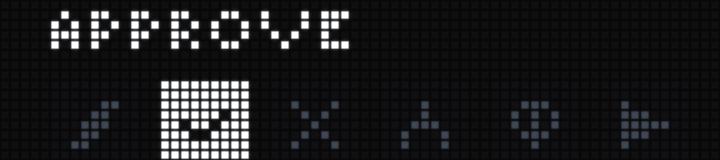
BusyBar Codex
Tactile Codex controller with live task status, actions, navigation, reasoning control, and push-to-talk dictation.
Community mirror

Busy Codex
Live Codex task status, account limits and weekly progress, with a reasoning effort dial and START-button Fast mode control for Codex Desktop and a native-control CLI fork.
Community mirror
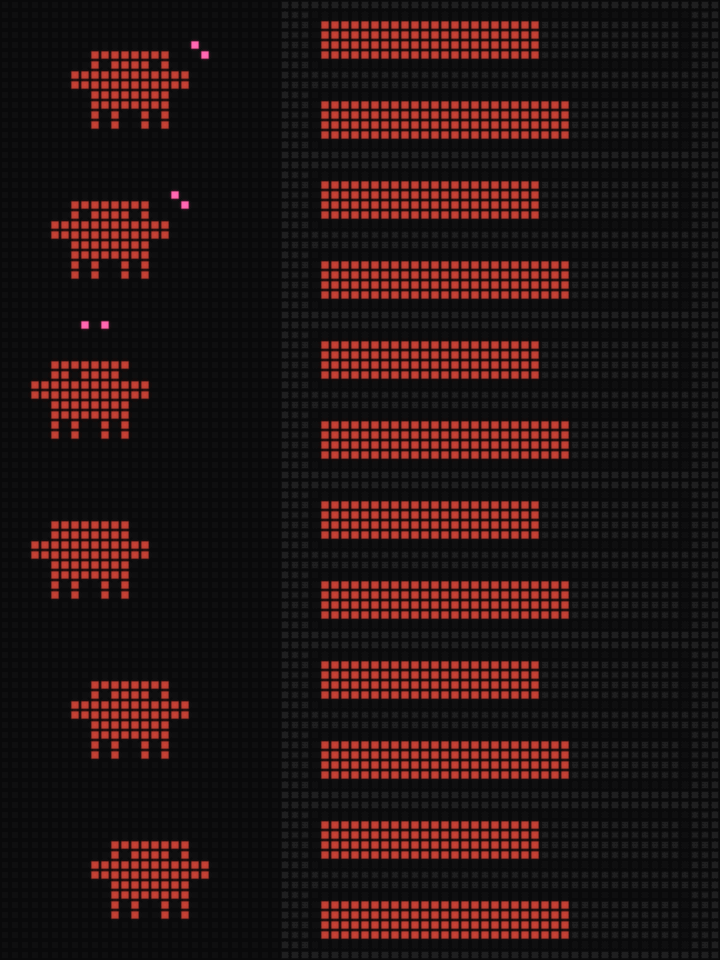
Claude Limits
Live Claude Code usage — 5-hour session and weekly limit bars with time to reset, an animated Clawd mascot, and a session-activity readout.
Community mirrorRate and Discuss
Comments and reactions live in this site’s GitHub repository. Sign in with GitHub to participate.